Ask Qwen..know more?
Generative AI Wars: Alibaba Qwen 2.5 Takes Aim at DeepSeek-V3
The generative AI landscape is heating up, with the recent launch of Alibaba Qwen 2.5 marking a significant escalation in the competition among large language models (LLMs). This latest release from Alibaba targets its domestic rival, DeepSeek, which has been making waves with its own innovations—DeepSeek-V3, launched in December, and the more recent R1 assistant powered by V3.
What Sets DeepSeek-V3 Apart?
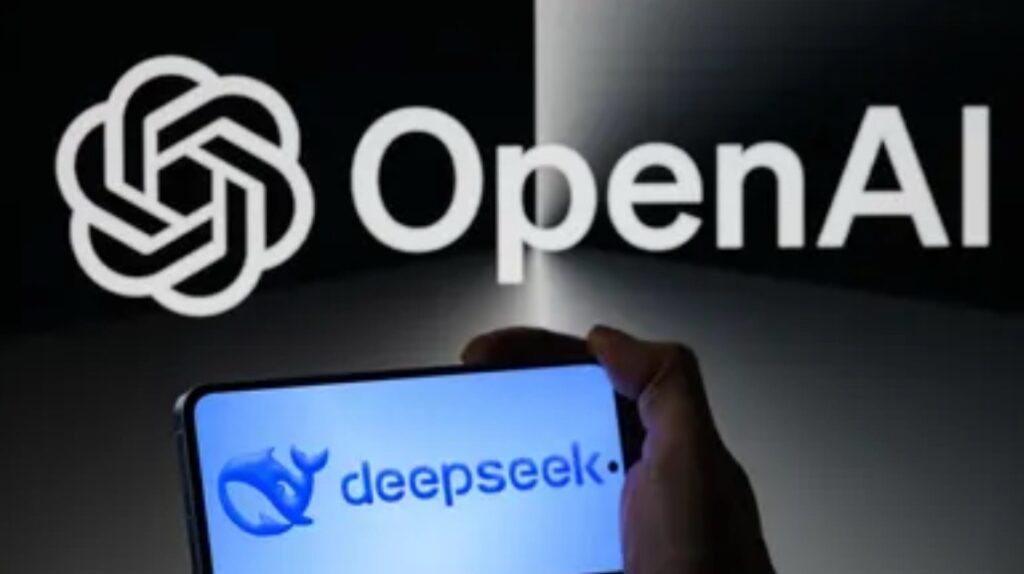
DeepSeek-V3 has distinguished itself from global players like ChatGPT, Gemini, Claude, Llama, and Perplexity by achieving rapid deployment and requiring significantly less computing power to train. Unlike its competitors, which often depend on expensive next-generation GPUs, DeepSeek-V3 was trained for under $6 million using older Nvidia H800 chips—a surprising feat given the rapid pace of AI hardware advancements.
Released on January 20, the DeepSeek-R1 AI assistant quickly soared to the top of Apple’s free app downloads, underscoring the effectiveness of the underlying V3 model. Its success has sent shockwaves through tech circles, prompting Wall Street investors to question the relevance of Nvidia’s costly H200 and Blackwell GPUs, resulting in a $600 billion sell-off of Nvidia stock.
The Launch of Alibaba Qwen 2.5
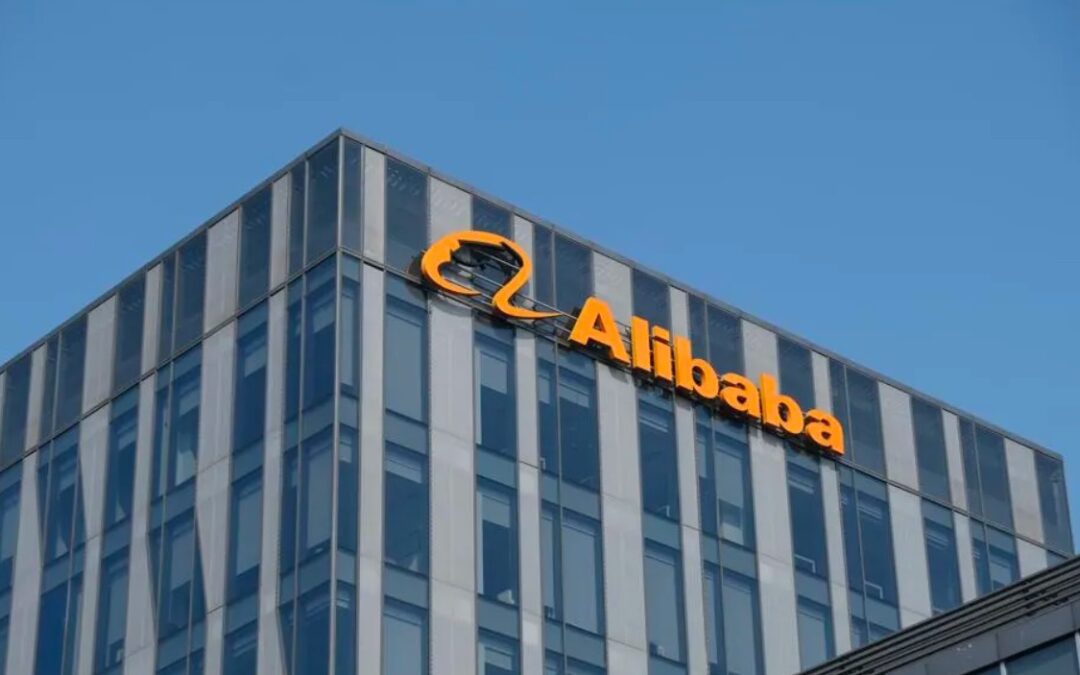
Alibaba’s Qwen 2.5 seems to be a direct response to DeepSeek’s recent successes. In a WeChat post, Alibaba claimed that Qwen 2.5 “outperforms” DeepSeek-V3, signaling the start of a fierce battle for dominance in the Chinese AI market. Reports suggest that DeepSeek’s rapid advancements also spurred ByteDance, the parent company of TikTok, to expedite its own AI upgrades.
While Qwen 2.5’s performance metrics are still being evaluated, its launch underscores the growing intensity of the AI race, not only within China but also on the global stage. Meta, for instance, has reportedly assembled “Llama war rooms” to analyze how DeepSeek achieved its impressive cost efficiency and speed.
Potential Risks and Controversies
Despite their technological achievements, both DeepSeek and Alibaba Qwen 2.5 face growing scrutiny. Concerns are emerging about data security, privacy, and the accuracy of performance claims—issues that have also plagued China-owned TikTok. Additionally, questions have been raised about potential intellectual property violations. Some observers speculate that DeepSeek-V3 may have been trained using data from existing models like OpenAI’s GPT, potentially violating copyright and undermining claims of originality.
The Future of Generative AI in China
The rivalry between DeepSeek and Alibaba Qwen 2.5 exemplifies the rapid evolution of generative AI in China. While both companies aim to dominate the market, their competition is reshaping the global AI landscape and sparking broader discussions about the economic and ethical implications of such rapid advancements. With innovation accelerating at an unprecedented pace, the world will be watching to see which model ultimately comes out on top.
