
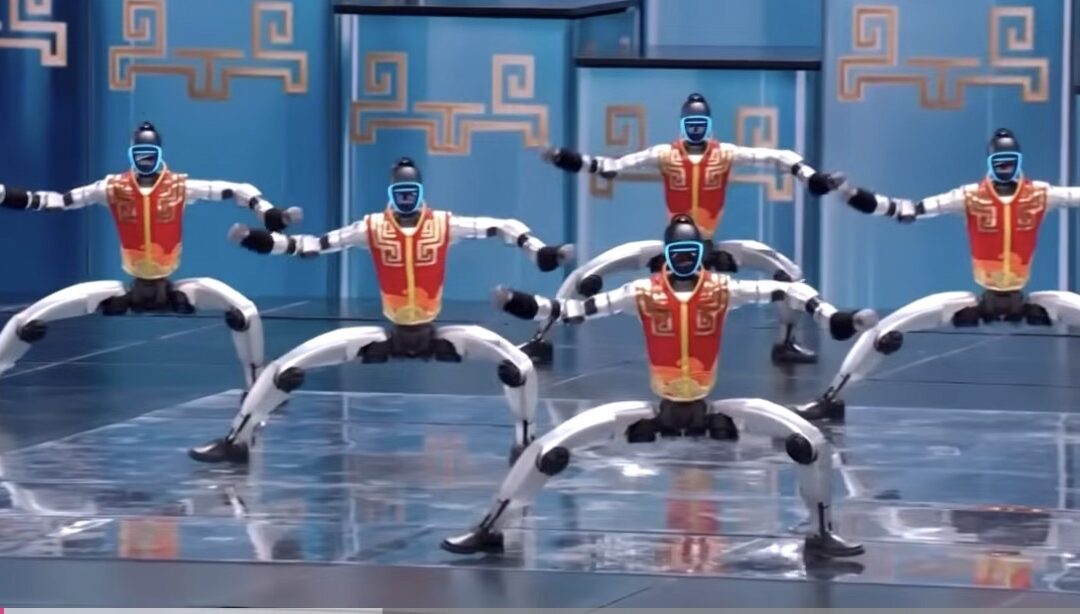
This Lunar New Year, as China celebrated the Year of the Horse, the world didn’t just see firecrackers and dragon dances—it watched humanoid robots performing kung-fu, parkour, and acrobatics on one of the planet’s most-watched television stages. At the 2026 CCTV Spring Festival Gala, humanoid robots from leading Chinese firms wowed audiences with staggering displays of balance, precision and agility, leaving the internet buzzing and the global tech community astounded.
For those unfamiliar, the Spring Festival Gala (Chunwan) is a cultural institution in China, akin to the Super Bowl halftime show in the United States, and regularly draws hundreds of millions of viewers. This time, China used that enormous stage to redefine mass-audience entertainment by showcasing machines executing world-first maneuvers—from continuous freestyle vaulting and aerial flips over three metres high to finely choreographed martial arts routines with swords and nunchucks.
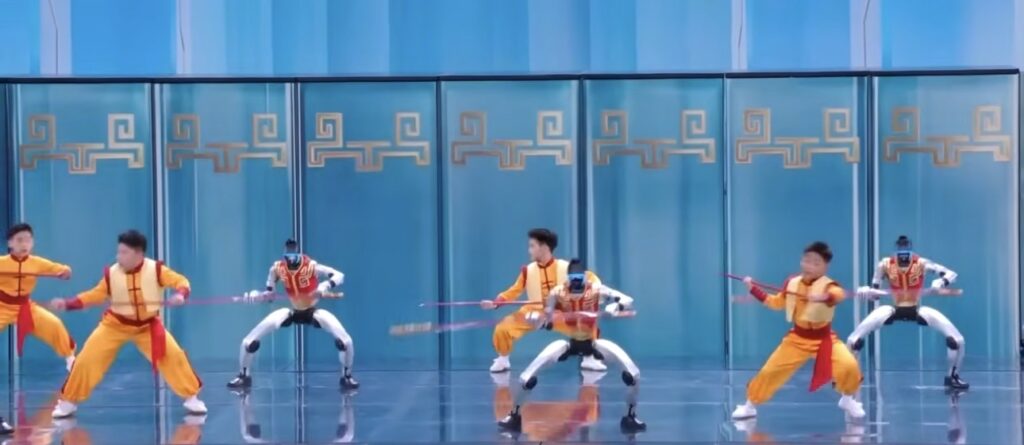
But this spectacle wasn’t just about jaw-dropping visuals. The choice to highlight autonomous machines in the Year of the Horse—a zodiac sign symbolizing strength, speed and perseverance—was a powerful cultural metaphor. The horse embodies movement and forward momentum in Chinese tradition, and by staging a fleet of dynamic robots in its honor, China implicitly linked its technological ambitions with these timeless virtues.
From a technical standpoint, the robots on display represented a leap from more rudimentary demonstrations seen in previous years. These machines were not merely preset props dancing to music; they performed synchronized, high-speed sequences that required advanced AI, cluster coordination, improved locomotion systems and real-time motion control. Engineers cite upgrades such as enhanced LiDAR, dexterous manipulators and refined control algorithms that allow robots to balance, vault and adapt on the fly—milestones that inch us closer to practical embodied intelligence.
Strategically, the performance was unmistakable messaging. In a global race for artificial intelligence and automation supremacy, China signaled that it is rapidly scaling up its capabilities in humanoid robotics—not just for manufacturing or industrial work, but for broad societal and cultural integration. By blending tradition and technology, Beijing showcased not only technical prowess but also narrative control: robots can be both cutting-edge and culturally resonant, not antagonistic to heritage.
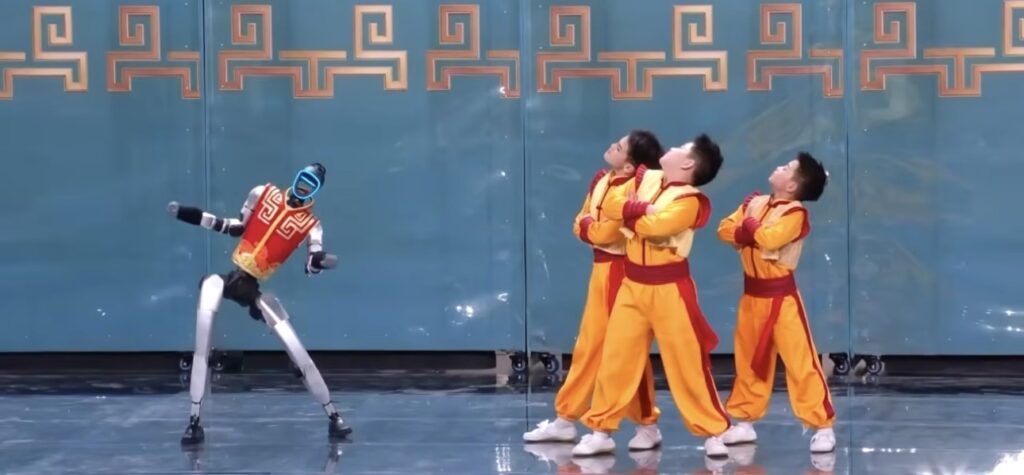
There are broader implications too. The viral spread of videos from the show has already boosted consumer interest and orders for robots within China, reflecting nascent demand for advanced machines beyond factories and labs. As these technologies mature, we may soon see applications in eldercare, service work, hazardous environments, and collaborative human-robot settings—ushering in shifts in labour markets, social norms and economic structures.
Yet, for all its bravado, the spectacle also invites reflection. Much like the swift horse of the zodiac, the rise of autonomous robots carries both promise and uncertainty: the promise of efficiency and human augmentation, and the need to confront ethical, safety and employment-related questions. As China gallops ahead in this new era, the world watches not just a performance—but a pivotal moment in the future of AI and how humanity chooses to share its stage with intelligent machines.
