

As of March 2025, artificial intelligence (AI) is driving a profound transformation in the manufacturing sector, reshaping production processes, supply chains, and workforce dynamics. By enabling smarter, more efficient operations, AI is helping manufacturers meet the demands of an increasingly competitive and rapidly changing global market.
One of the most significant impacts of AI in manufacturing is predictive maintenance. AI-powered systems analyze data from machinery to detect early signs of wear and tear, allowing manufacturers to address issues before they cause costly breakdowns. This approach minimizes downtime, extends equipment life, and boosts overall productivity.
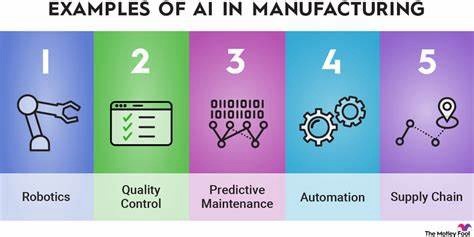
AI is also revolutionizing quality control. Advanced vision systems equipped with machine learning algorithms can identify defects in products with unparalleled speed and precision, ensuring consistent quality while reducing waste.
In addition, AI is optimizing supply chains through advanced analytics and forecasting. By analyzing vast amounts of data, AI enables manufacturers to predict demand, manage inventory efficiently, and respond quickly to disruptions.
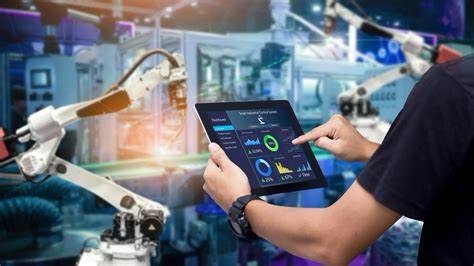
While AI is unlocking unprecedented efficiency, it also brings challenges, such as the need to upskill workers to collaborate effectively with automated systems. Nevertheless, AI continues to shape the manufacturing landscape, offering opportunities to innovate, streamline operations, and build more resilient supply chains.
