
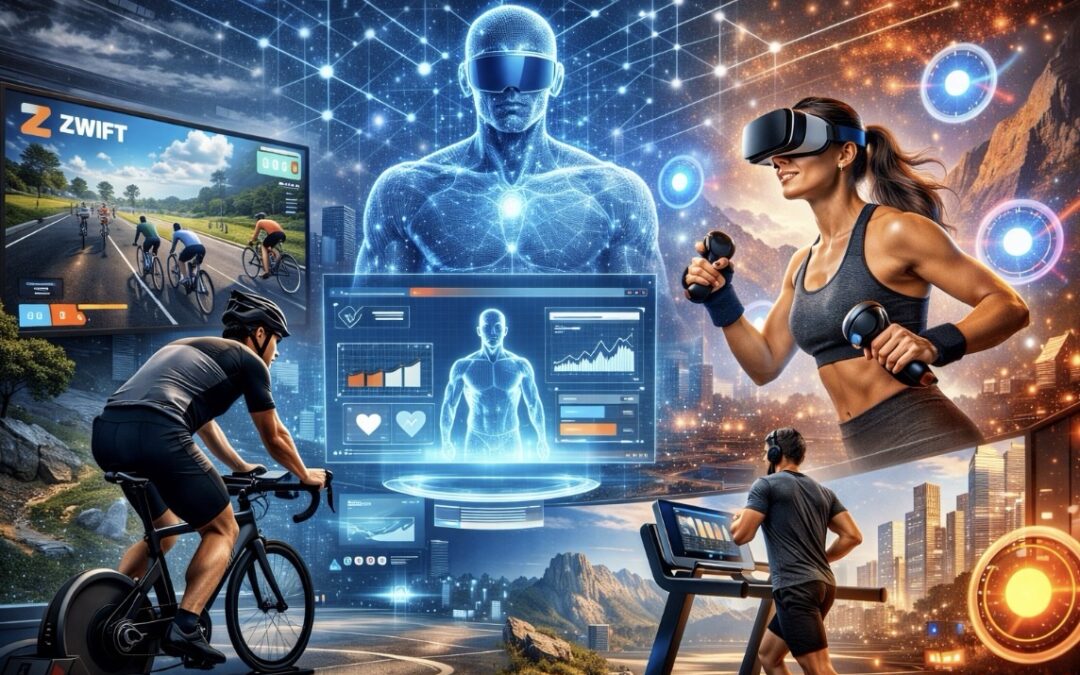
The fitness industry is undergoing a dramatic transformation as gaming and artificial intelligence converge to create a new category known as gamified fitness. Rather than treating exercise as a repetitive chore, this emerging trend turns workouts into interactive challenges, immersive virtual worlds, and competitive multiplayer experiences. By combining gaming mechanics with real physical activity, gamified fitness platforms are redefining how people approach health and wellness.
At its core, gamified fitness applies elements commonly found in video games—points, levels, rewards, avatars, and leaderboards—to physical exercise. This approach leverages psychology: people are far more motivated to achieve goals when they feel they are progressing through a game-like system.
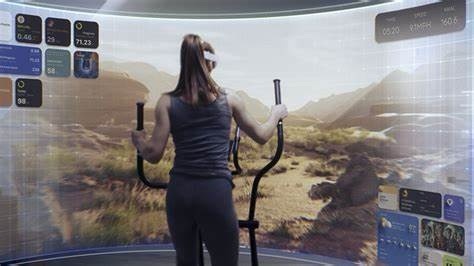
One of the pioneers of this trend is Zwift, a multiplayer cycling and running platform that allows users to train on stationary equipment while navigating virtual landscapes with other athletes worldwide. As cyclists pedal in the real world, their physical output translates into movement within the game’s digital environment, enabling races, group rides, and competitions. Platforms like MyWhoosh follow a similar model, offering immersive virtual cycling routes and social multiplayer features that replicate the excitement of real-world events.
Virtual reality has also accelerated the growth of gamified fitness. Companies such as Within Unlimited created the VR workout platform Supernatural, where users perform rhythm-based movements in visually stunning digital environments. Instead of counting repetitions in a gym, users swing, squat, and dodge obstacles while following music-driven workouts.
Artificial intelligence is rapidly becoming the engine behind these experiences. AI enables platforms to track performance, analyze movement, and adapt workouts to the individual user in real time. Companies such as Volt Athletics use machine learning systems to generate personalized training programs that adjust based on progress, available equipment, and athletic goals.
AI also powers movement recognition technologies that analyze posture and form. Emerging systems can detect subtle body movements through cameras or sensors, delivering real-time feedback and corrections. Research shows that AI models can evaluate exercise technique and provide instant coaching, helping users improve performance and reduce injury risk.
The result is a deeply personalized fitness experience. Instead of static workout routines, AI can dynamically modify resistance levels, suggest new challenges, or generate entirely new virtual environments. Some companies are even using generative AI to create fantasy training locations—from ancient cities to futuristic worlds—turning exercise into a narrative adventure rather than a routine task.
Major technology firms are also entering this space. Companies such as Apple, Google, and Nike have begun investing in AI-powered fitness ecosystems that incorporate wearables, smart equipment, and interactive challenges. Industry partnerships and acquisitions show that gamified fitness is becoming a strategic priority across technology, sportswear, and gaming sectors.
The appeal of gamified fitness lies in solving one of exercise’s biggest problems: boredom. Traditional workouts often rely on discipline alone, but gaming taps into reward systems, social competition, and immersive storytelling. Players are motivated not just by calories burned, but by achievements unlocked, races won, and virtual worlds explored.
As artificial intelligence continues to evolve, gamified fitness may soon include AI coaches, adaptive virtual competitors, and fully immersive mixed-reality training environments. The gym of the future may look less like rows of treadmills and more like an interactive game world—where fitness, technology, and entertainment merge into one seamless experience.
In this new era, exercise is no longer just about sweating; it is about playing.
