
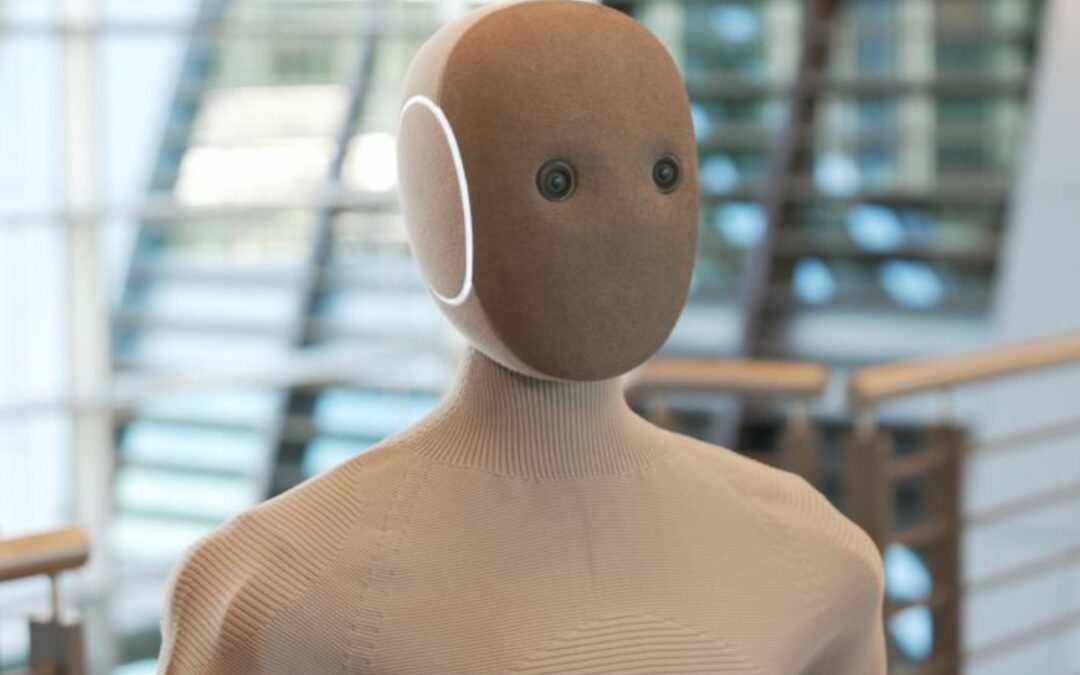
NEO promises to automate chores and learn over time, but high cost, human-in-the-loop limits, and practical edge cases shape its realistic adoption trajectory in 2026.
NEO — the humanoid home robot from 1X Technologies — has gone from prototype to preorder, pitched as “the world’s first consumer-ready humanoid robot” built to help with everyday household tasks. It’s a striking milestone: a 5-plus-foot, bipedal machine designed to walk, carry, fold, tidy, and respond to voice or app commands in homes rather than labs.
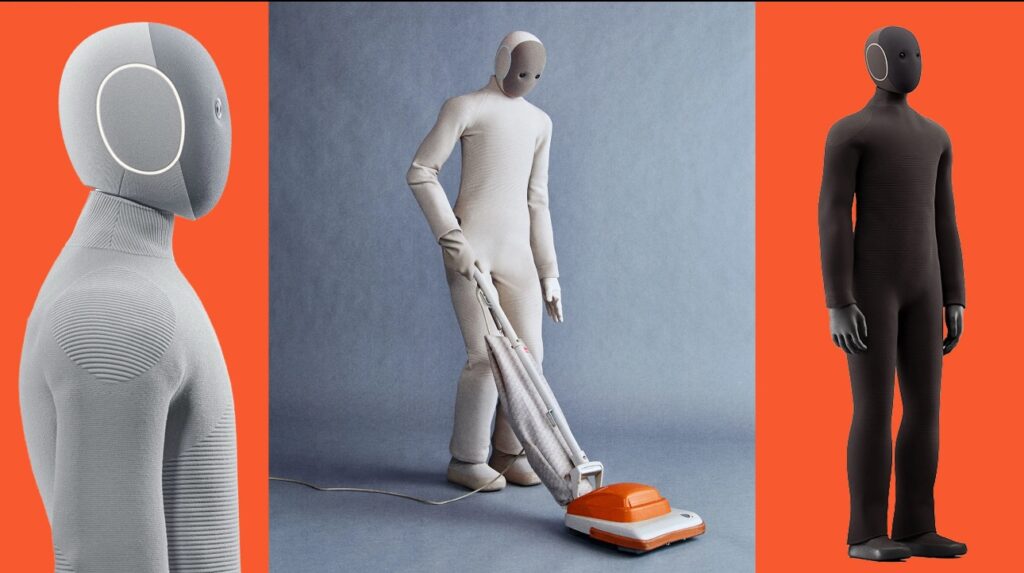
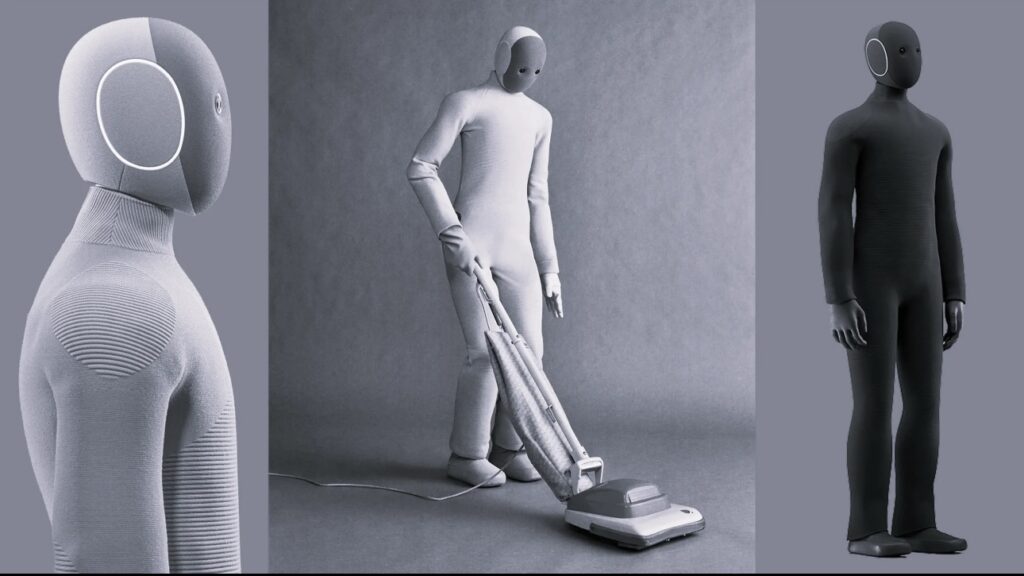
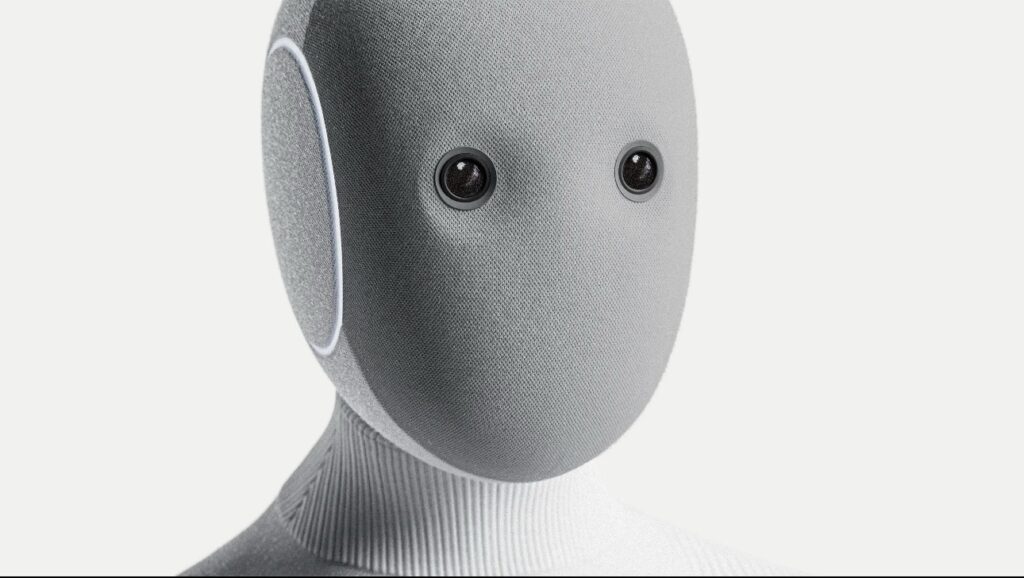
On capability, NEO covers a surprising set of chores for a first-generation consumer humanoid. It can navigate domestic spaces, pick up and carry items, and perform repetitive tasks such as tidying and basic organizing. The design choices — a relatively light 66-lb frame, tendon-drive actuators, human-like hands, and multimodal sensors — intentionally trade brute strength for safer, household-friendly interaction. That makes it suited to apartments and family homes where careful interaction with fragile objects matters.
But there are important practical limits today. NEO arrives with basic autonomy and a library of learned tasks, yet many complex or unfamiliar chores will initially require remote guidance from 1X “Experts” (teleoperators) to teach the robot safely and finish jobs it doesn’t yet know. That human-in-the-loop model helps accelerate capability while reducing risk, but it also means ownership is not purely autonomous robotics — think of it as a powerful, connected device that still leans on human support.
The price tag — roughly $20,000 upfront or a subscription option (reported at about $499/month) — places NEO in the premium, early-adopter bracket rather than the mass market. For households that value time over capital and have the budget, NEO could quickly become a transformative convenience. For most buyers, however, the math will be harder to justify compared with current smart-home combos and service subscriptions.
Privacy and safety also matter. The teleoperation model necessarily involves limited remote access to sensors so human experts can teach the robot; 1X emphasizes control and safeguards, but buyers will need to weigh convenience against any camera/microphone access and data-sharing policies. Early reporting has flagged this as a key consumer concern to monitor.
NEO’s immediate prognosis is realistic: adoption will start with affluent early adopters, demonstration homes, and tech-forward caregivers (e.g., families with mobility needs) who value hands-on assistance. Over the next several years its usefulness will grow as software updates, teleoperated teaching sessions, and community-shared task libraries expand NEO’s repertoire. If reliability, cost of ownership, and privacy practices improve, humanoid assistants could follow the path of other high-end consumer technologies that gradually scale and commodify.
Bottom line: NEO is an exciting, tangible step toward in-home humanoid helpers — practical today for niche buyers, but likely to evolve into broader usefulness only if price, autonomy, and trust improve over time.
